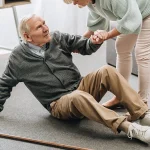
Falls are one of the leading causes of injury among older adults. As seniors age, changes in balance, strength, mobility, and cognitive function can make everyday activities more difficult and dangerous. Fortunately, occupational therapy (OT) provides practical solutions that help older adults remain safe, independent, and confident in their own homes.
Occupational therapy focuses on helping seniors perform daily tasks safely and efficiently. From improving balance to recommending home modifications, occupational therapists play a critical role in fall prevention and home safety.
Assessing Fall Risk Factors in Seniors
One of the first steps in fall prevention occupational therapy is conducting a comprehensive evaluation. Occupational therapists assess multiple factors that may contribute to a senior’s risk of falling, including:
Balance and Coordination
OTs evaluate how well a senior can stand, walk, turn, and shift weight during movement. Poor balance significantly increases fall risk, especially during daily tasks like bathing, cooking, or getting in and out of bed.
Muscle Strength
Weakness in the legs and core muscles often contributes to instability and falls. Occupational therapists assess strength levels and identify areas that need improvement.
Cognitive Function
Memory problems, reduced attention span, and impaired judgment can increase unsafe behaviors in the home. OTs evaluate cognitive abilities to determine whether additional safety supports are needed.
Home Environment
Occupational therapists carefully analyze the living environment for hazards such as:
- Loose rugs
- Cluttered walkways
- Poor lighting
- Slippery floors
- Unsafe stairs
- Lack of grab bars
After the assessment, the therapist develops a personalized fall prevention plan tailored to the senior’s specific needs and abilities.
Strengthening Exercises for Fall Prevention
Occupational therapy for seniors often includes targeted exercises designed to improve mobility, stability, and independence.
Leg Strengthening Exercises
Strong leg muscles are essential for standing, walking, and climbing stairs safely. OTs may recommend exercises such as:
- Chair stands
- Heel raises
- Mini squats
- Step training
Core Stability Training
Core muscles help maintain posture and balance. Improving core strength can reduce instability and lower the risk of falls.
Balance Training
Occupational therapists teach seniors how to improve weight shifting, coordination, and body awareness. Balance exercises may include:
- Standing on one foot
- Tandem standing
- Controlled reaching activities
- Functional movement training
Functional Mobility Practice
OTs also help seniors practice everyday movements safely, including:
- Sitting and standing
- Getting in and out of bed
- Reaching for objects
- Navigating bathrooms and kitchens
These exercises support independence while reducing the likelihood of accidents.
Assistive Devices and Home Modifications
Another major component of fall prevention occupational therapy involves recommending tools and environmental changes that improve safety.
Mobility Aids
Occupational therapists may recommend:
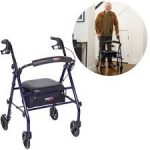
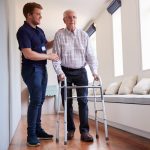
- Walkers
- Canes
- Rollators
- Transfer aids
These devices help seniors move safely and reduce instability during walking.
Adaptive Equipment
OTs often suggest adaptive tools that make daily activities easier, such as:
- Raised toilet seats
- Shower chairs
- Long-handled reachers
- Dressing aids
- Non-slip mats
Home Modifications
Home safety for seniors is one of the most effective ways to prevent falls. Occupational therapists commonly recommend:
- Installing grab bars in bathrooms
- Improving lighting throughout the home
- Removing trip hazards
- Adding stair railings
- Using non-slip flooring
- Rearranging furniture for better mobility
These modifications create a safer and more functional living environment.
Cognitive Strategies for Fall Prevention
For seniors experiencing cognitive decline, occupational therapists provide strategies that improve safety awareness and daily functioning.
Memory Aids
Simple tools like calendars, medication reminders, labels, and checklists can help reduce forgetfulness and improve consistency.
Decision-Making Training
OTs help seniors recognize potential hazards and make safer choices during everyday activities.
Routine Development
Establishing consistent routines can reduce confusion and prevent accidents caused by rushing or forgetting important safety steps.
These cognitive interventions are especially important for seniors living with dementia or mild cognitive impairment.
How Occupational Therapy Supports Aging in Place
Many seniors prefer to remain in their own homes rather than move into assisted living or nursing facilities. Occupational therapy supports aging in place by helping seniors adapt their environment and maintain their independence safely.
With the right combination of exercises, safety strategies, assistive devices, and home modifications, many older adults can continue living comfortably at home for years while reducing their fall risk.
Conclusion
Occupational therapy plays a vital role in senior fall prevention and home safety. Through comprehensive assessments, strengthening exercises, assistive devices, cognitive strategies, and environmental modifications, occupational therapists help older adults remain safer and more independent.
If you are concerned about fall risks for yourself or a loved one, consulting an occupational therapist can provide valuable guidance and personalized solutions that improve safety and quality of life.
Contact us today to schedule a professional home safety consultation and learn how occupational therapy strategies can help create a safer living environment for your loved one.