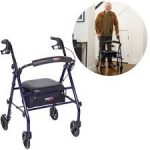
Using a rolling walker can greatly enhance mobility, balance, and independence for seniors and individuals recovering from injury. However, proper walker safety is crucial to prevent accidents and ensure users can move confidently and securely.
Below are eight important tips to maximize walker safety and protect the well-being of users:
1. Ensure a Proper Fit
- A walker must be adjusted to the correct height for the user. When holding the handles, the user’s arms should be comfortably bent at about a 15 to 30-degree angle at the elbows.
- The correct height helps maintain good posture, reduces strain on the shoulders and wrists, and improves overall balance.
2. Check Non-Slip Tips Regularly
- Inspect the rubber tips or wheels at the bottom of the walker legs frequently. These parts provide vital traction on different surfaces.
- Worn-out, cracked, or slippery tips can significantly increase the risk of slips and falls. Replace them immediately if they show signs of damage.
3. Keep Pathways Clear
- Ensure that all walking areas, both indoors and outdoors, are free from clutter, rugs, cords, and other tripping hazards.
- Smooth and unobstructed pathways allow for easier navigation and reduce the risk of accidental falls.
4. Practice Proper Usage
- Encourage users to always stand upright and stay within the walker frame while moving.
- Leaning too far forward, backward, or sideways can throw off balance and cause the walker to tip over.
- Proper technique promotes stability and makes walking safer and more comfortable.
5. Maintain Secure Movement
- Users should push the walker forward gently and place it securely on the ground before taking a step.
- Avoid pulling the walker backward, as this can create instability.
- Always move one leg at a time, ensuring the walker is stable before each step.
6. Avoid Stairs and Curbs
- Rolling walkers are not designed for stairs or high curbs.
- Whenever possible, use ramps, elevators, or wheelchair-accessible entrances. Attempting to lift or maneuver a walker up steps can lead to dangerous falls and injuries.
7. Seek Assistance When Needed
If additional support is needed, don’t hesitate to seek help from a caregiver, therapist, or family member.
Extra assistance can offer greater stability and confidence, especially when navigating uneven surfaces, crowded areas, or unfamiliar environments.
8. Perform Regular Maintenance
Like any mobility device, walkers require routine maintenance to stay safe and effective.
Check for:
- Loose screws
- Worn brakes (if applicable)
- Damaged wheels or frame
- Wobbly handles
Address any issues immediately by repairing or replacing damaged parts to maintain the walker’s reliability.
Final Note:
- These tips provide general guidance for safer walker use.
- However, for personalized recommendations based on individual needs, it’s best to consult with a Home Safety Consultant Specialist.
- An expert assessment can ensure the walker setup, usage, and environment are fully optimized for maximum safety.
Stay safe, stay active, and enjoy greater independence with proper rolling walker safety practices!