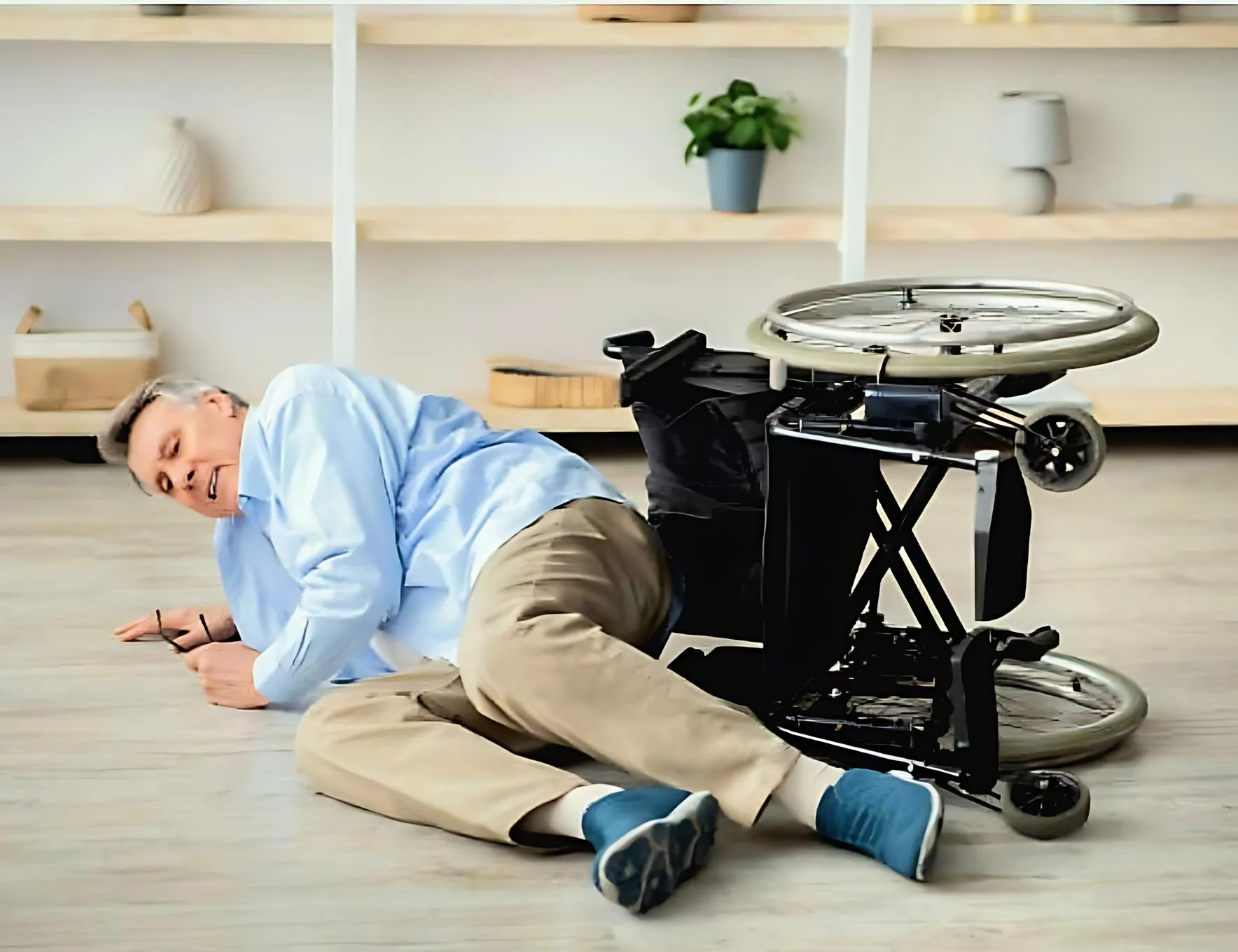
Proper footwear and clothing are essential for fall prevention in seniors. Slippery shoes, loose clothing, or garments that restrict movement increase the risk of tripping and falling.
Why Footwear and Clothing Matter:
– Proper shoes provide stability, traction, and support.
– Clothing that fits properly allows free movement and prevents tripping.
– Small changes can make a significant difference in daily safety.
Footwear Tips
1. Supportive Shoes
– Firm soles and arch support prevent slips.
– Avoid worn-out or flat-soled shoes.
2. Non-Slip Soles
– Rubber or textured soles improve grip.
– Avoid smooth leather or plastic soles.
3. Low-Heeled Shoes
– Low, wide heels are safer than high heels or platforms.
– Avoid completely flat shoes without ankle support.
4. Secure Fastenings
– Velcro straps, buckles, or properly tied laces offer stability.
– Avoid slip-on shoes that may slide off.
Clothing Tips:
1. Avoid Long, Loose Garments
– Skirts or pants that drag can cause trips.
– Hem clothes just above the floor for safety
2. Comfortable, Non-Restrictive Clothing
– Avoid tight garments that restrict leg or hip movement.
– Lightweight fabrics allow easier mobility.
3. Footwear-Compatible Pants
– Pants should fit over shoes without dragging.
– Adjustable waistbands improve comfort and safety.
Additional Considerations
– Socks: Non-slip socks provide traction on smooth floors.
– Seasonal Footwear: In winter, shoes with traction reduce slips on snow or ice.
– Orthopedic Shoes: Fitted shoes support foot health and improve balance.
Behavioral Tips:
– Encourage seniors to wear shoes indoors.
– Replace worn shoes regularly.
– Always check footwear before leaving the house.
Conclusion:
Footwear and clothing are simple, effective ways to reduce fall risk in seniors. Proper shoes, non-restrictive clothing, and smart habits improve balance, mobility, and confidence, keeping seniors safe at home.