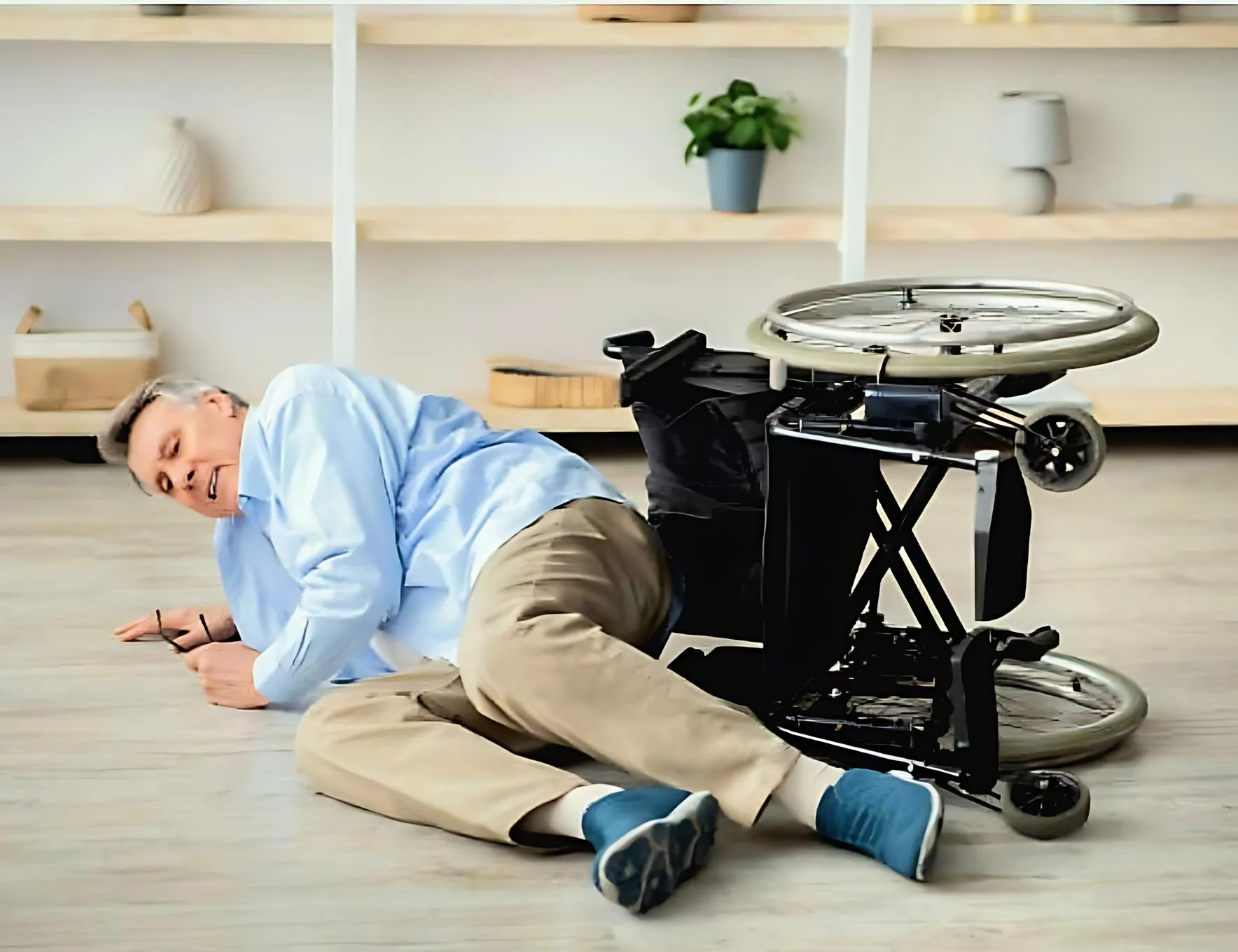
The home is where seniors spend most of their time, making it a common location for falls. Implementing home safety tips reduces risk and promotes confidence.
1. Remove Tripping Hazards
Clear clutter and electrical cords from walking paths.
Remove loose rugs or secure them with non-slip backing.
Store small items and pet toys safely.
2. Improve Lighting
Install bright, glare-free lighting in hallways, bedrooms, and bathrooms.
Use night lights for pathways frequently traveled at night.
3. Secure Floors and Surfaces
Keep floors dry and clean.
Use non-slip mats in kitchens and bathrooms.
Consider slip-resistant flooring in high-risk areas.
4.Install Handrails and Grab Bars
Bathrooms and stairways should have sturdy handrails and grab bars.
Ensure bars are securely mounted and able to support body weight.
5. Safe Furniture Arrangement
Arrange furniture to provide clear walking paths.
Avoid low tables or sharp-edged furniture in busy areas.
6. Encourage Safe Habits
Wear supportive shoes indoors.
Stand up slowly from chairs or beds.
Use assistive devices as recommended.
Conclusion
A safe home environment reduces fall risk and improves independence for seniors. Small adjustments—like clearing clutter, improving lighting, and adding grab bars—make a significant difference.