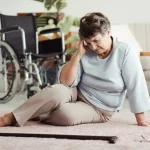
Falls are one of the leading causes of injury among seniors, often resulting in fractures, head injuries, and long-term loss of independence. Understanding the risk factors for falls in seniors is the first step in prevention.
Why Seniors Are at Higher Risk: As people age, natural changes in strength, balance, vision, and reaction time increase fall risk. Other factors include chronic medical conditions like arthritis, heart disease, diabetes, or neurological disorders.
Common Risk Factors:
- Muscle Weakness and Poor Balance – Reduced lower body strength can affect stability.
- Medications – Certain prescriptions may cause dizziness or low blood pressure.
- Vision Impairments – Glaucoma, cataracts, and other eye conditions reduce depth perception.
- Environmental Hazards – Clutter, loose rugs, poor lighting, and slippery surfaces contribute to falls.
- Cognitive Impairment – Dementia or memory loss can lead to unsafe movements.
Preventive Measures:
- Exercise Regularly: Strength, flexibility, and balance exercises help reduce risk.
- Medication Review: Discuss potential side effects with healthcare providers.
- Vision Care: Regular eye exams and proper eyewear improve safety.
- Home Safety: Remove trip hazards, improve lighting, and install grab bars.
- Assistive Devices: Use canes, walkers, or handrails as recommended.
Conclusion:
Falls among seniors are preventable. Awareness of risk factors, combined with exercise, home safety, and assistive tools, reduces the likelihood of injury and maintains independence.